Unknown's avatar

Tomatoes and India and climate change

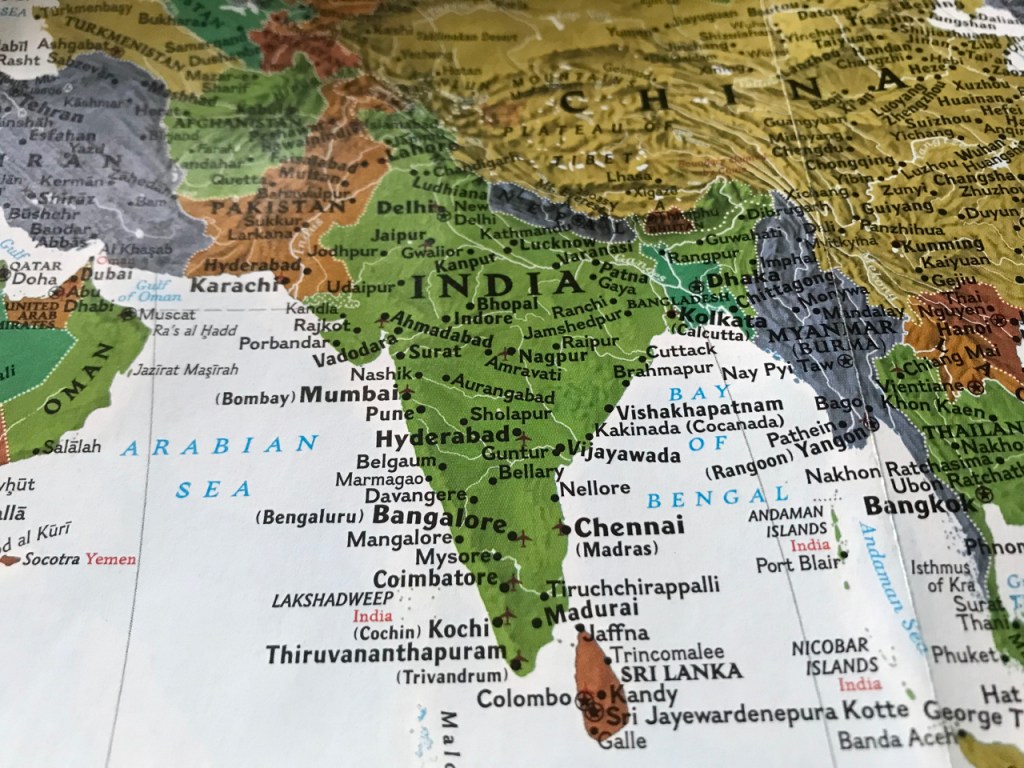
My new interest in tomatoes has taken me to reading about the situation for the crop in India this year. It’s left me embarrassed to think that I’ve been fretting over a few tiny plants here in England, while in India entire crops have been wiped out by either too much rain, or too much heat, or both.

I can’t imagine Indian cuisine without tomatoes but apparently the price of tomatoes in New Delhi is now up by as much as 500% which, while excellent for those farmers whose crops did not fail, must be shocking for shoppers, and almost impossible for the budget end of the restaurant trade.

And it must be difficult for the tomatoes themselves to cope with shifting weather patterns. I never realised that the plants don’t really like the heat, apparently growing best in temperatures between 18C(64F) and 25C(77F). Even English summers now have patches that are hotter than that, as my own plants can testify, having been through their own mild summer hiccup – too much wind, too much heat, and sudden dollops of rain.

If their growing efforts are proving ‘difficult’ here in England, what is the word to describe the conditions faced by plants in India, the country that recently became the most ‘populous’ in the world?

Copyright Georgie Knaggs & The Phraser 2023
Unknown's avatar

Final postcard from New Zealand – Hawke’s Bay

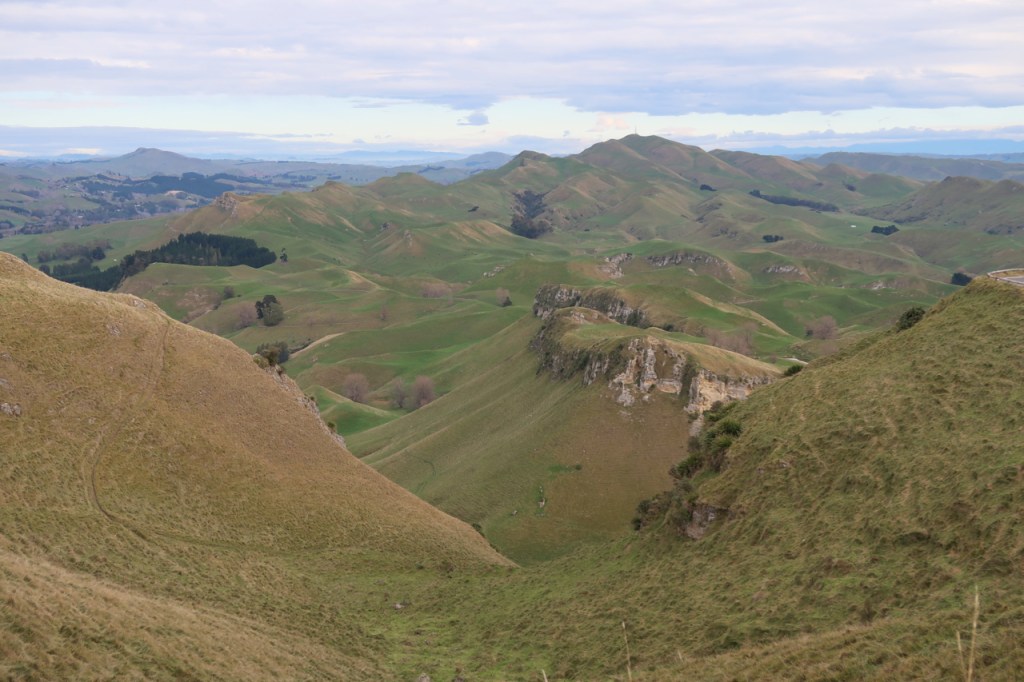
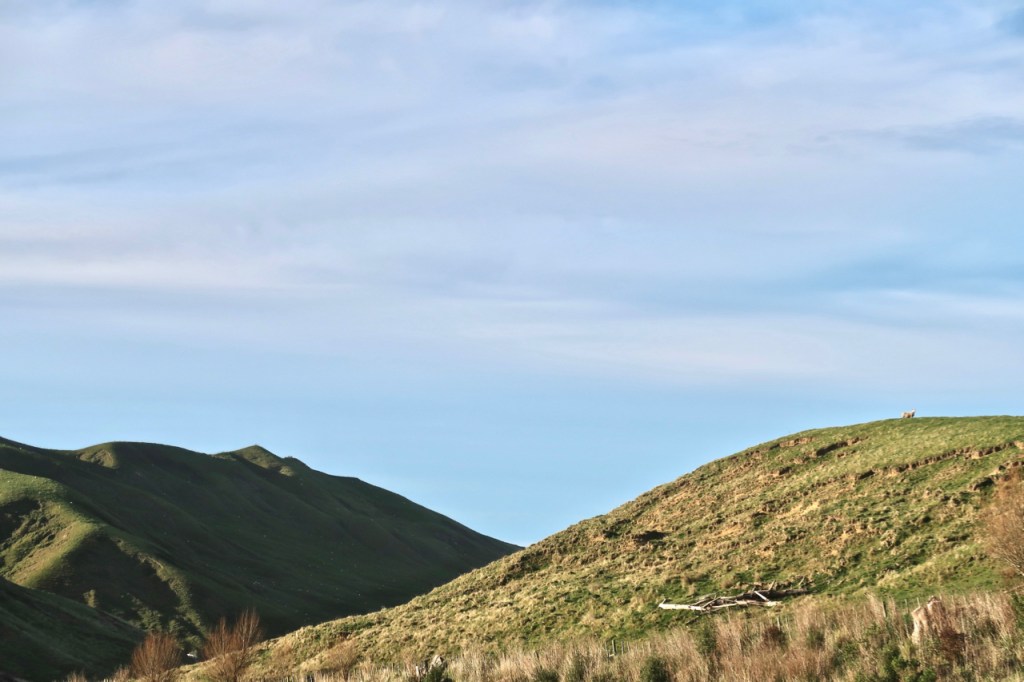
Dotted with sheep and ridged with tiny tracks, the hills around Hawke’s Bay seem to roll on forever, like a rumpled duvet. For the most part the slopes are without trees, those having lost their ground centuries earlier to humans. The tallest of the peaks in that region is Te Mata, from where I took this photograph during my visit in June 2022.

On one of the days I was there, I was taken for a drive through the hills. For part of the way we followed the Tukituki River, along an almost empty, winding road towards the coast, to visit a beautiful old homestead. The day – so special – began grey and cold, and ended with bright sunshine.

We drove back in the evening, the last of the sun picking out the tracks left by livestock as they walked the hills in search of the sweetest pastures. The sheep, dotted far and wide, seemed so small against the geography of it all, and I could imagine, barely hidden beneath them, the restless shift of tectonic plates. Occasionally there were farm houses, and closer to Havelock North, some immaculate vineyards, but for the most part it was a quiet road. The distances between neighbours were not huge, but the hills added an isolating feel. I wondered how it was for the farmers.

The next day I flew out of Napier, to Auckland, the carpet of crewcut hills tumbling away beneath us.

Copyright Georgie Knaggs & The Phraser 2023
Unknown's avatar

Postcard from Te Puke, New Zealand

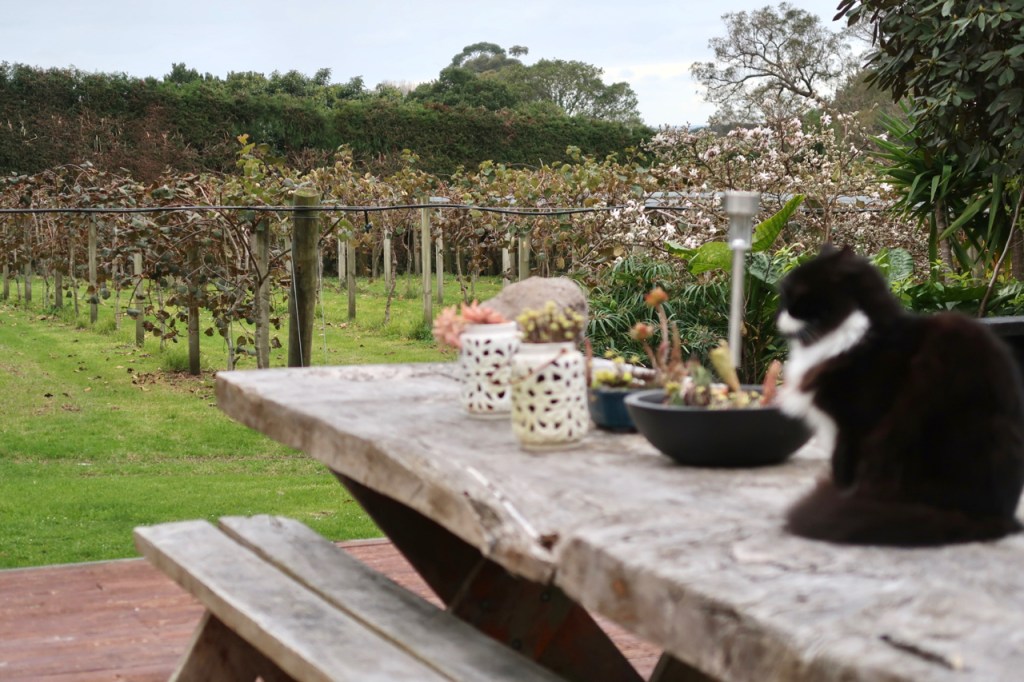
We had such a good time, staying on a kiwifruit farm in Te Puke. (In case you’re wondering the word is not ‘puke’, it’s more like pookie. And these are young kiwifruit vines.)

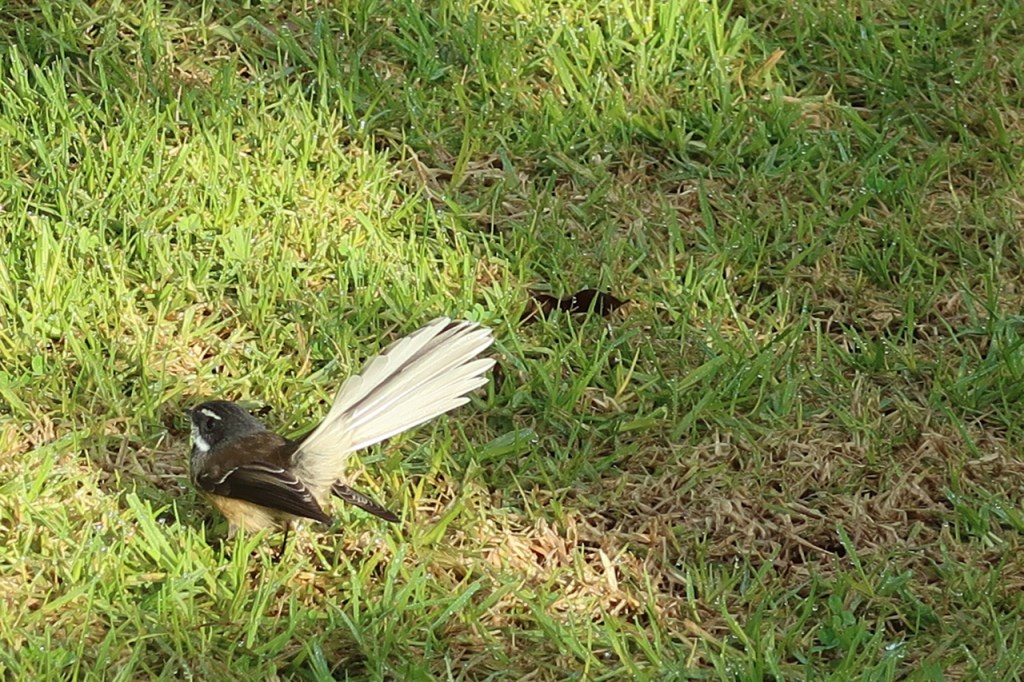
It was great to be on a farm again. We stayed in a lovely farmhouse, surrounded by trees, some full of citrus, and others full of flowers – magnolias and camellias I think. And there were lots of tiny birds – fantails. They came so close, whirring up to us as we walked around the vines.

Never realised until I got there, how famous the area is for its kiwifruit. They were growing everywhere. You could spot the lands, because of the high hedges running along them to stop the wind. The pickers had just harvested the fruit on the farm where we were staying. Wish I’d seen that. It’s all done by hand, with the old vines trellised just high enough for the pickers to stand beneath, and the rows just wide enough for a little tractor to fit between. Everything so precise. I think China and Japan get most of the fruit, especially the golden kiwi, which are delicious. The golden ones grow up wires suspended like tipis.

Hard to believe it’s almost seven months since I was there.

Copyright Georgie Knaggs & The Phraser 2023