Unknown's avatar

A few facts about the Tour de France

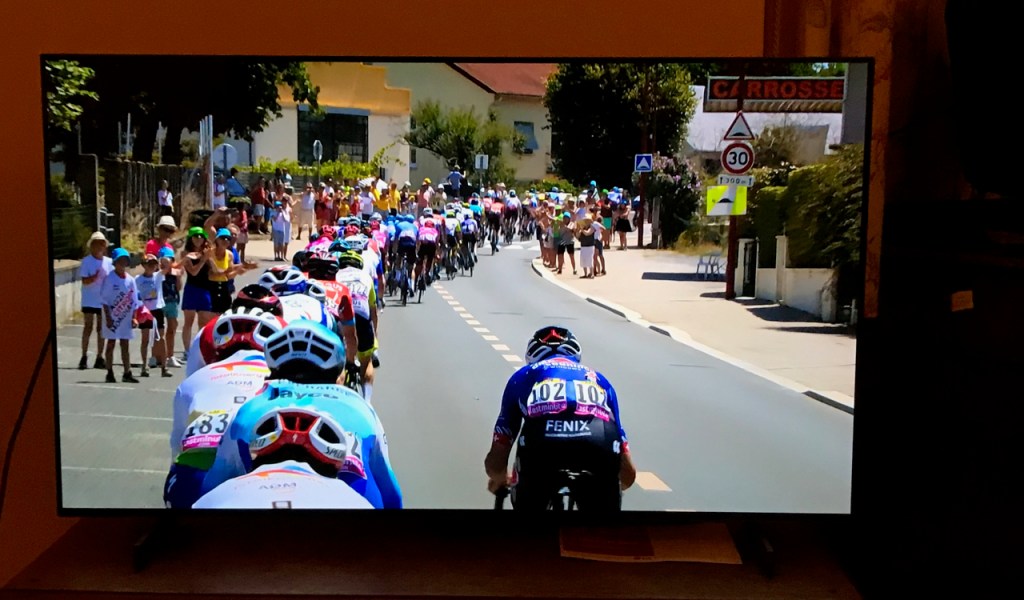
I am not a regular Tour de France fan, but I am living with someone who is. They are currently watching the Netflix series Tour de France Unchained, and I have wandered in on a couple of episodes. I had no idea how dangerous riding at that level can be.

Anyway, I have been inspired to look into the race a little more, and here are a few things I discovered.

  • The race is over 2000 miles long.
  • It lasts for around 21 days.
  • The first race was in 1903;
  • The yellow jersey was introduced in 1919 – the colour yellow was chosen as it was the colour of the newspaper that set up the race.
  • The polka dot jersey was introduced in 1975 – the polka dots represent the wrapper of the chocolate bar that first sponsored that jersey.
  • Four riders have died taking part in the Tour de France, the first in 1910.
  • There is no official entry fee for teams in the Tour de France – they just have to be able to cover their own costs.
  • The Tour de France in 2024 is due to start in Florence, Italy.

Keep cycling!

Copyright Georgie Knaggs & The Phraser 2023
Unknown's avatar

Tomatoes and India and climate change

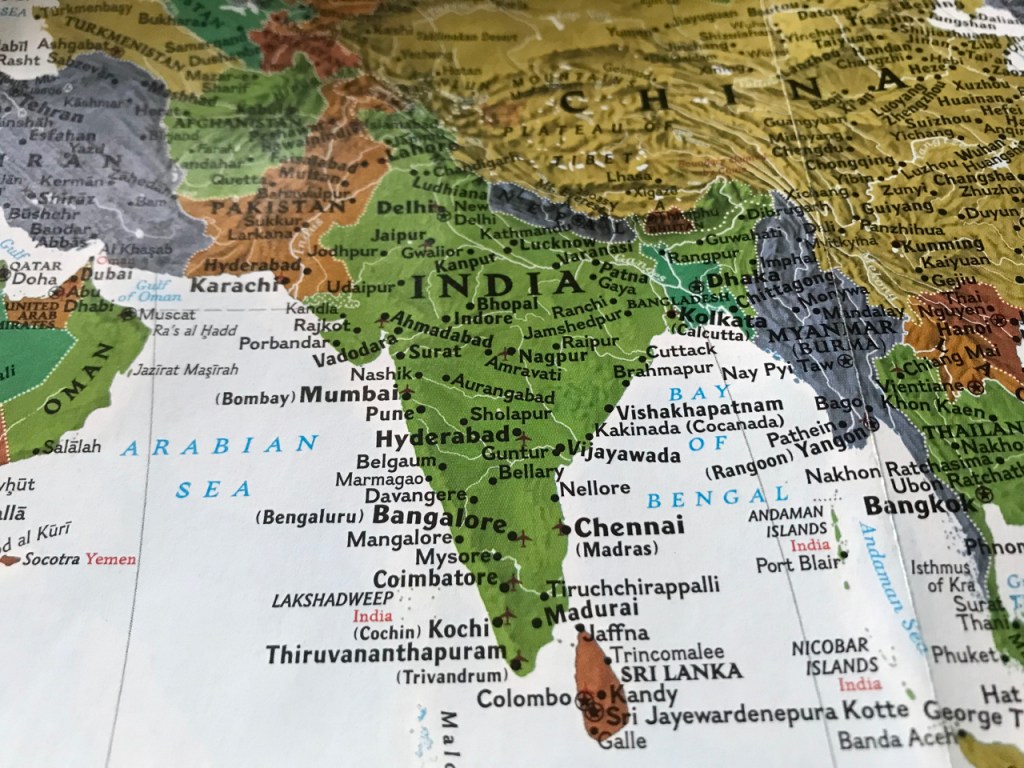
My new interest in tomatoes has taken me to reading about the situation for the crop in India this year. It’s left me embarrassed to think that I’ve been fretting over a few tiny plants here in England, while in India entire crops have been wiped out by either too much rain, or too much heat, or both.

I can’t imagine Indian cuisine without tomatoes but apparently the price of tomatoes in New Delhi is now up by as much as 500% which, while excellent for those farmers whose crops did not fail, must be shocking for shoppers, and almost impossible for the budget end of the restaurant trade.

And it must be difficult for the tomatoes themselves to cope with shifting weather patterns. I never realised that the plants don’t really like the heat, apparently growing best in temperatures between 18C(64F) and 25C(77F). Even English summers now have patches that are hotter than that, as my own plants can testify, having been through their own mild summer hiccup – too much wind, too much heat, and sudden dollops of rain.

If their growing efforts are proving ‘difficult’ here in England, what is the word to describe the conditions faced by plants in India, the country that recently became the most ‘populous’ in the world?

Copyright Georgie Knaggs & The Phraser 2023

Unknown's avatar

A few thoughts about the letter ‘X’

The letter X is getting a good airing these days. Feels like we’re all dragging it out the cupboard to have another look at it now Elon Musk has decided to stand it in place of the small, tweeting blue bird.

I’ve been pondering why the letter means so much to him. It might be all the usual, slightly ominous, or techy, ‘X’ factor reasons, but I’ve come up with another theory, so I thought I’d add it to the pile.

I’m wondering if Elon Musk’s affection for the letter X might have started in South Africa, where he grew up. He only left at the age of 17, and I’m assuming he would have heard a lot of the language isiXhosa, one of the most widely spoken in South Africa, and famous for its use of clicking sounds. His own name in English, and the name of the Canadian province his mother is from, Saskatchewan, both feature the English equivalent of a clicking sound, and in isiXhosa these are represented by an X.

The language has always fascinated me. Perhaps it does him too.

Here’s another link to a South African site with a little more about the isiXhosa language

And for a final treat, a little further from the letter X, here is Miriam Makeba singing the ‘click’ song

Copyright Georgie Knaggs & The Phraser 2023