Unknown's avatar

A year living with an electric vehicle

It was a taxi driver who convinced us. Aware of every penny, he assured us that his electric car had saved him many pennies, especially in London.

No congestion charge. And slow roads mean longer battery life.

Over the next few weeks we pondered the options, but when the price of petrol took off like a helium balloon, we jumped. The search didn’t take long. All we wanted was a car like the taxi driver’s, and there were still a few available.

The silence and the acceleration were the first big adjustments, then the control hub, with its central dial and switches. Once we had those mastered, we had to work out how to charge the car. Short day trips were easy. We’d just plug it in at night, and in the morning it would be ready. The longer trips were more challenging.

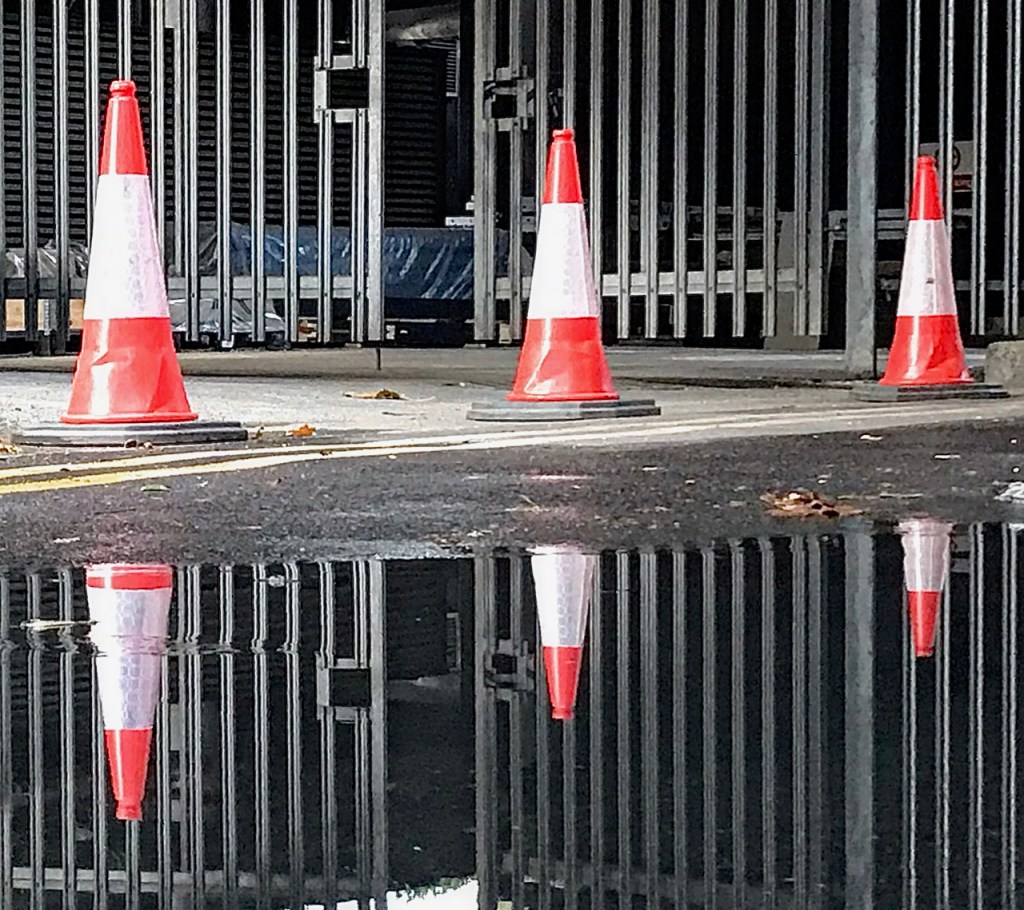
That first winter many of the longer journeys took us to charging points in strange carparks. At night most had shadows so deep it was impossible to read the phone numbers that held us hostage until someone answered. When they did, hope flashed, and usually managed to sustain us through the next half hour of trying to work out how that particular car charger operated.

No. We don’t have your app. Yes. We shall download your app. No. It won’t take our password. Yes. The car is plugged in. No. Nothing is happening. Yes. We’ll unplug it. No. It’s still not charging. Yes. The light is flashing. No. Yes. No. Oh … hurray! Thank you! Thank you!

That was the best bit, especially if it was followed by the discovery of a cafe or pub to take care of us while the car charged.

Now, a year later, we’re feeling more confident. Even range is not such a problem. Banks of chargers are blossoming everywhere, often under service station striplights which make it easier, but blander. At least it might mean progress from the air’s point of view.

Copyright Georgie Knaggs & The Phraser 2023
Unknown's avatar

So what’s been happening here?

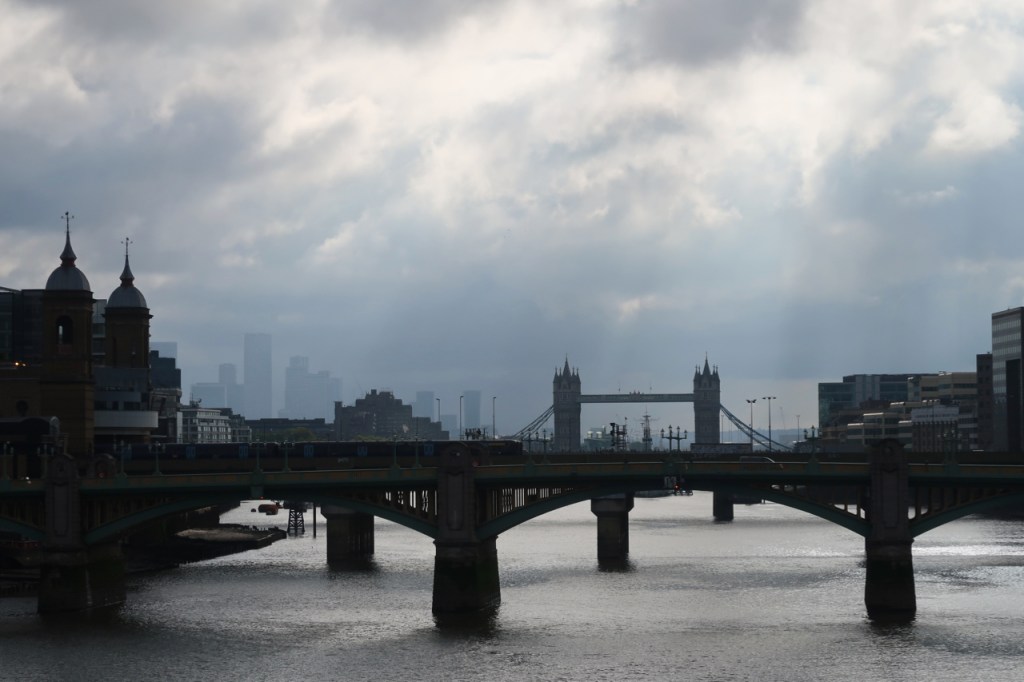
Well, January is the month to be glum, and thanks to the train strikes, we’re all being glum from home.

Nothing works. And to prove it, some of us are stopping work. So while the rain rains – and it is – and the wind howls – and it was – we’re moaning. We do pause occasionally. Recently it’s been to fret about the brotherly I-said-you-said, soundbites-at-dawn storm, that’s swirled our way. We’re still writing the chorus for that, and it’s proving darkly occupying.

This morning I was wondering whether any whales passing these islands can hear our song? And if so, what it sounds like? I imagine it sounds like a miserable humming, with crescendos here and there as we add the woes of others to our own. Perhaps that’s why there aren’t many whales around here – too glum. Although maybe not for walruses.

Thor, a fine young male, turned up in Scarborough at New Year. He didn’t stay long though, which leaves me thinking perhaps he’d been sent by the whales on some sort of reconnaisance mission to find out what’s going on.

Hope there’s a cheerful noise where you are.

Copyright Georgie Knaggs & The Phraser 2023
Unknown's avatar

A trip to the Waitangi Treaty Grounds – New Zealand

New Zealand’s founding document was signed at Waitangi Treaty Grounds in 1840. We went to the site on a wet June day, last year. There were so few visitors it felt like we had the place to ourselves.

Our tour started with Māori culture and dance, in the meeting house, Te Whare Rūnanga. The windowless space, with its high roof, its carvings and colours of red earth and wood, unsettled me slightly. It felt still – a powerful frame for a haka.

Demonstration over we splodged across to the Treaty House, home to New Zealand’s first British representative, James Busby. This had been his family home, and it felt like one, apart from the fact that the Waitangi Treaty had been signed in its ‘parlour’.

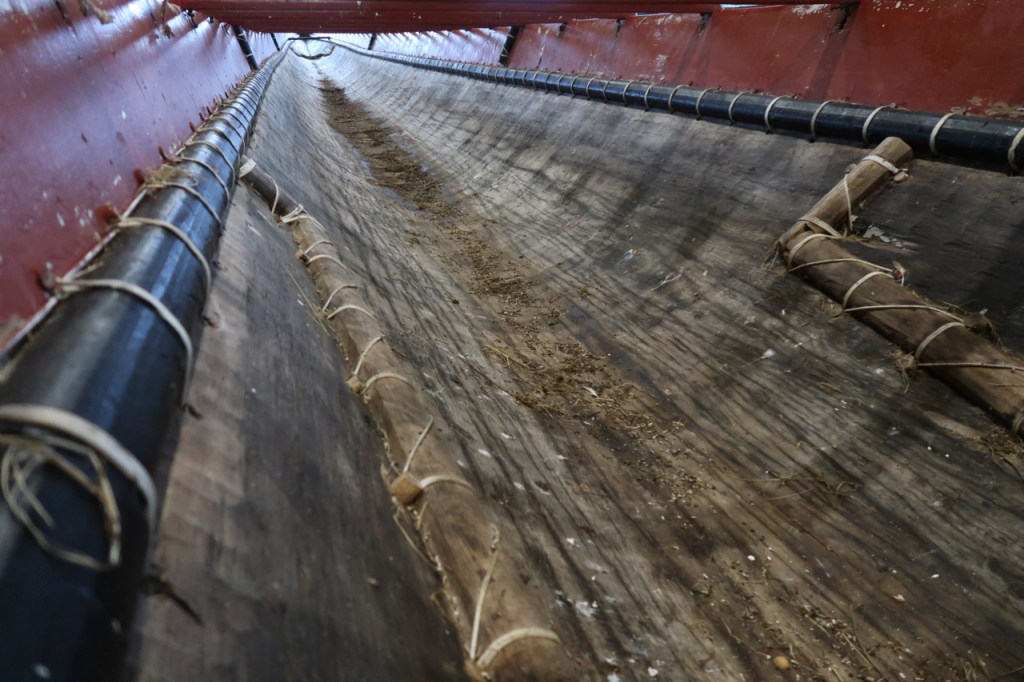
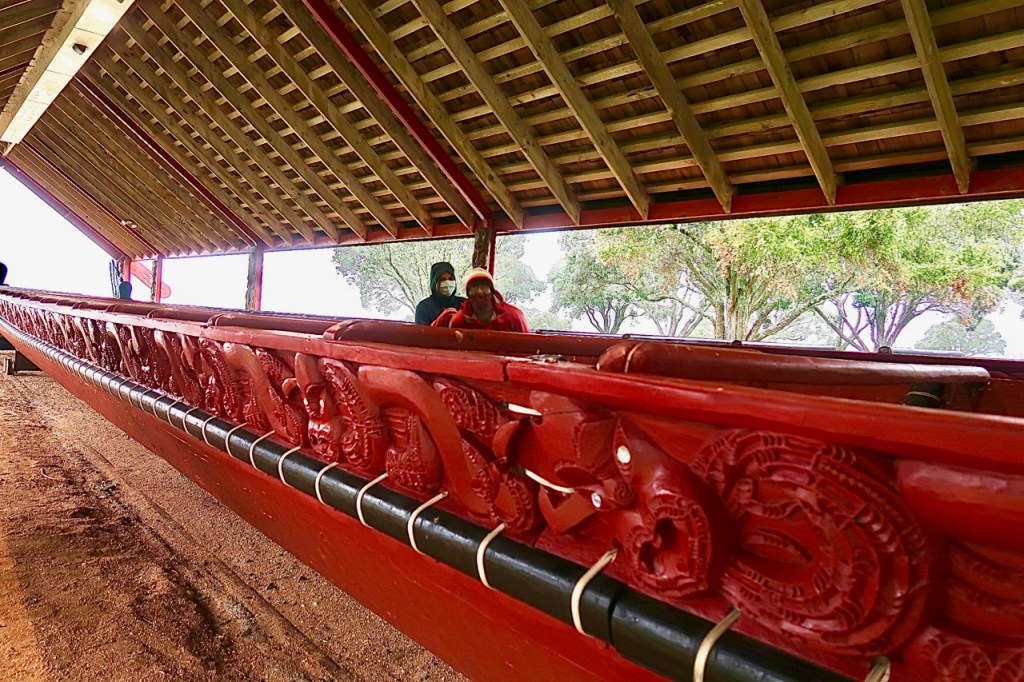
From there we dripped down to the beach to see the magnificent waka – ceremonial canoe. Carved from the wood of giant Kauri trees, it looked to me like a work of art, rather than a working canoe. I loved being able to get so close to it.

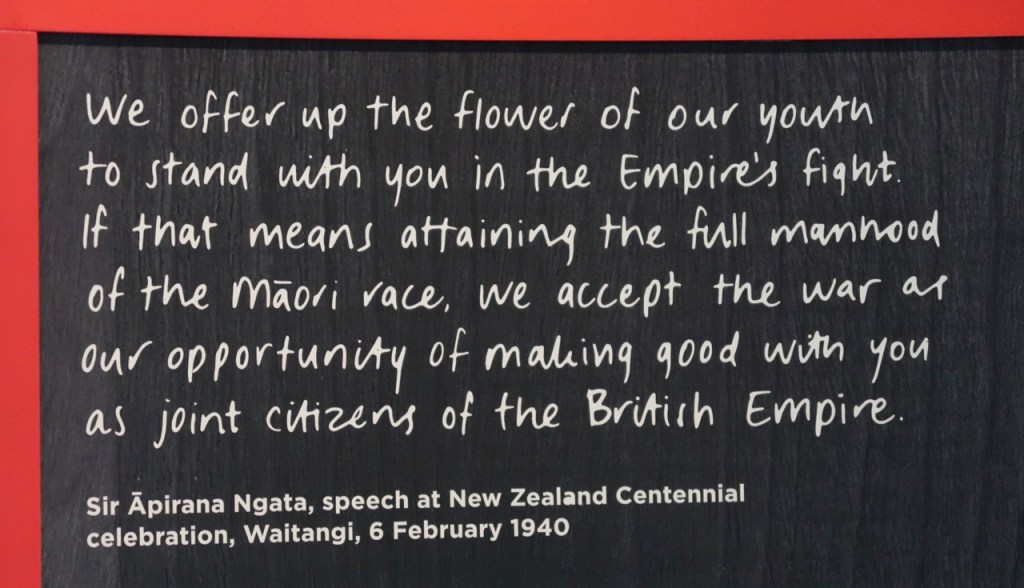
Our official tour ended at the canoe, but we decided to finish with a building we had not visited – the Te Rau Aroha ‘price of citizenship’ museum. We did not know until we went in, that it is dedicated to the Māori who served in the wars New Zealand has taken part in since 1840. The museum is engaging and detailed. We spent longer than we realised making our way around to the memorial, where name after name is listed, honouring the service of thousands.

It was a thoughtful place to end our visit.

Copyright Georgie Knaggs & The Phraser 2023