Unknown's avatar

After the storm

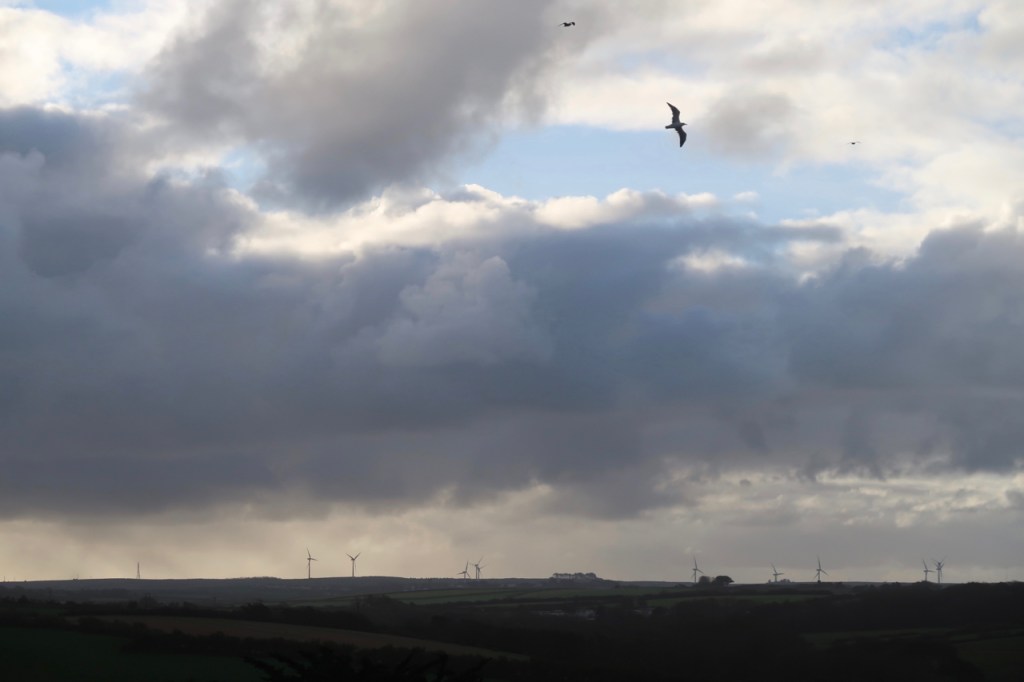
This morning, with the clouds sailing like great ships above us, we drove north from Cornwall. The county had just been battered by storm Ciarán, and it felt as if it was still trying to shake the wet and the wind from its coat.

The photograph above was taken just after the sun had risen. It was a bruised dawn but it turned into a beautiful day. In front of us lay the sea, green-blue and whipped with white horses, while behind us turbines and seagulls span across the sky. This was their kind of day. They danced with the elements, while we clung like limpets to the ground.

The further we drove the drier the land became. The rivers shrank, and the light gleamed, with rainbows arcing across the fields.

Now we are back, and I cannot hear the waves but I can still imagine them, and the families and dogs that will be blowing across the sand beside them.

Copyright Georgie Knaggs & The Phraser 2023
Unknown's avatar

Where the sand meets the sea meets the sky

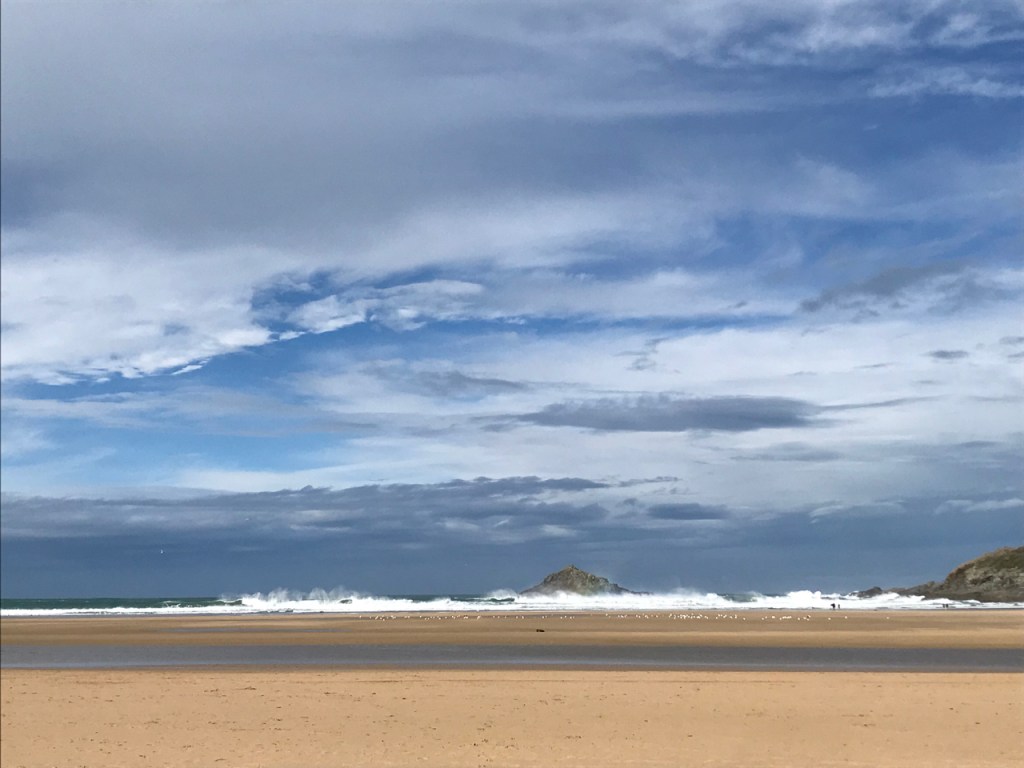
Cornwall – the wind flies and waves scoop in long curls on to the sand. There are surfers out, paddling in wait of the perfect moment. Then suddenly it’s there, and they lift up quick as dragonflies to skim the white manes back to the shore.

We stand a few minutes to watch and then carry on with our walk. It’s not too hot. It’s not too cold. It’s not too wet. It’s not too sunny. Even our foot prints sink just enough, as we head on towards somewhere we’ve never been, or might have been once but can’t remember. We are undecided and unconcerned. It’s one of those days.

Our pleasure is in being out, in feeling the sun as we cover the ground in one direction, climb over the dunes in another, and then return the way we came.

Copyright Georgie Knaggs & The Phraser 2023
Unknown's avatar

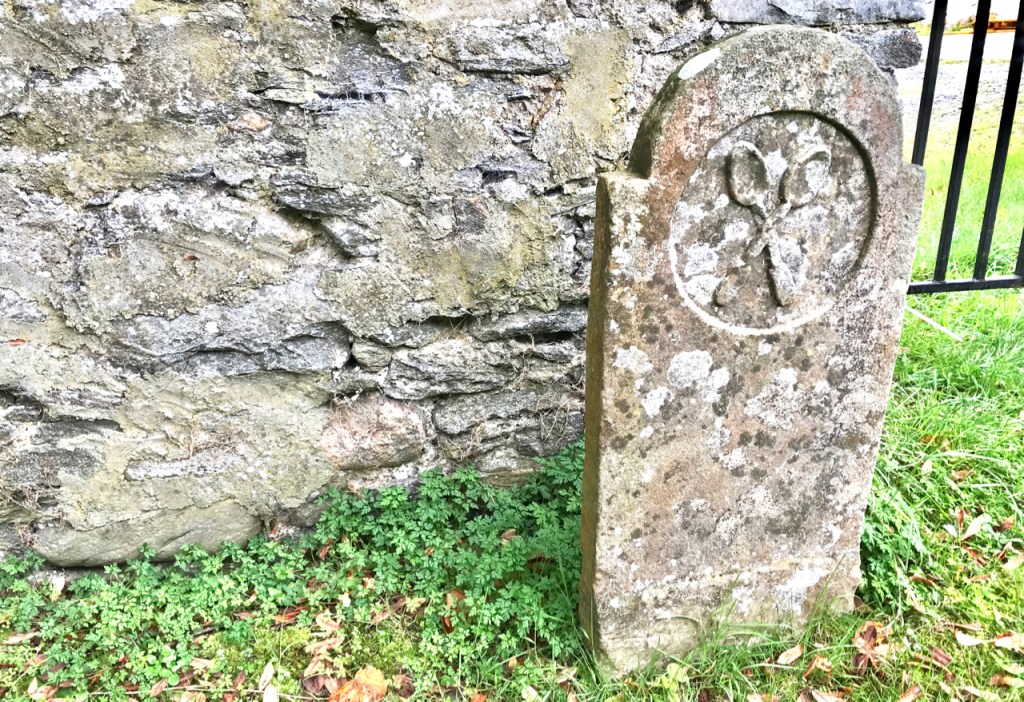
Crossed spoons on a gravestone

We came across this small gravestone on a walk not far from Inverness. It stands close to the cemetery gate and all that we could read on it were these spoons. The cemetery itself is not large, and is now surrounded by farm buildings.

As far as I can tell from a quick look through the internet crossed spoons aren’t one of the more usual symbols on gravestones. I don’t think Inverness was known for its cutlery, so perhaps these spoons have some other meaning.

My research hasn’t given me a definite answer, but it has provided a little information I never knew before I began this search.

  1. The difference between a graveyard and a cemetery is that a cemetery is not attached to a church.
  2. In the Highlands spoons were often made from horn, and the way in which they were made was a closely guarded secret protected by the Travellers who’d perfected the art.

It’s the second point that makes me think that perhaps this stone might mark the grave of a Traveller, whose name was perhaps not known by the community who buried him or her.

I would love to know more, if anyone out there has the time to pass any information on. The two links that follow connect to the Highland Folk Museum site and two of their blogposts relating to horn and spoons.

This link gives information about the importance of horn in the Highlands.

This second link shows the process of making spoons from horn.

Copyright Georgie Knaggs & The Phraser 2023