Unknown's avatar

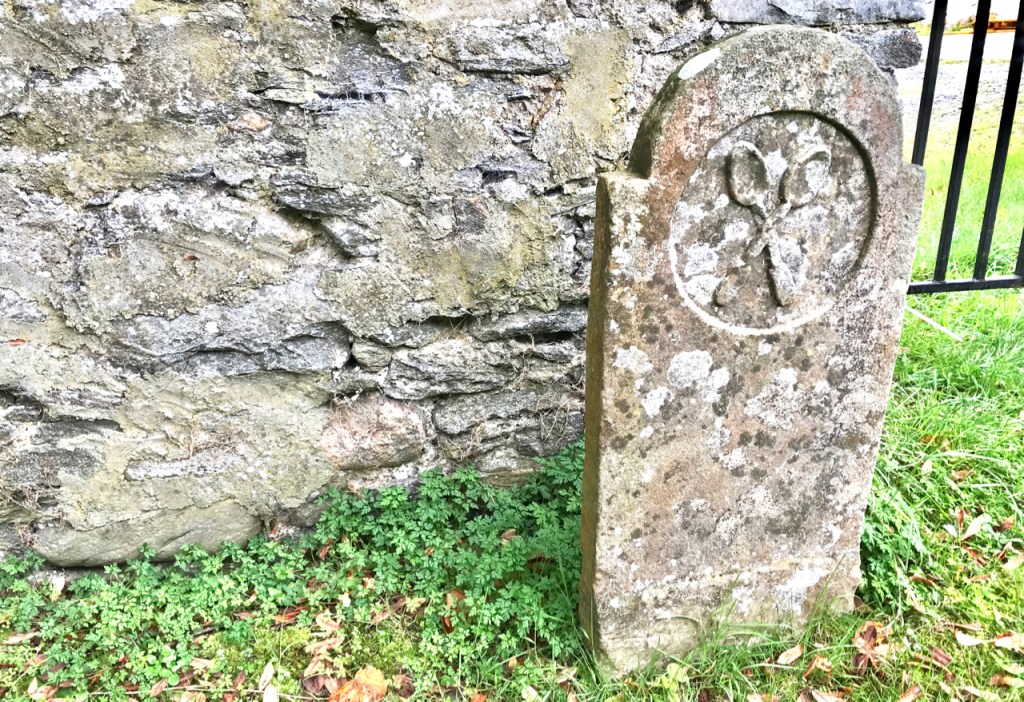
Crossed spoons on a gravestone

We came across this small gravestone on a walk not far from Inverness. It stands close to the cemetery gate and all that we could read on it were these spoons. The cemetery itself is not large, and is now surrounded by farm buildings.

As far as I can tell from a quick look through the internet crossed spoons aren’t one of the more usual symbols on gravestones. I don’t think Inverness was known for its cutlery, so perhaps these spoons have some other meaning.

My research hasn’t given me a definite answer, but it has provided a little information I never knew before I began this search.

  1. The difference between a graveyard and a cemetery is that a cemetery is not attached to a church.
  2. In the Highlands spoons were often made from horn, and the way in which they were made was a closely guarded secret protected by the Travellers who’d perfected the art.

It’s the second point that makes me think that perhaps this stone might mark the grave of a Traveller, whose name was perhaps not known by the community who buried him or her.

I would love to know more, if anyone out there has the time to pass any information on. The two links that follow connect to the Highland Folk Museum site and two of their blogposts relating to horn and spoons.

This link gives information about the importance of horn in the Highlands.

This second link shows the process of making spoons from horn.

Copyright Georgie Knaggs & The Phraser 2023

Unknown's avatar

The difference a few hours makes

Still raining in Scotland when we left. Still hot in London when we arrived.

Now we’re all moving on, scattering in different directions, and as confused by the weather as the trees around us. In Scotland some trees we saw were up to their knees in water, while here those that thought autumn was coming seem to be clutching on to their leaves, reluctant to let them go. It’s strange, like suddenly finding St Paul’s blasting rock music rather than the reassuring ring of occasional bells.

And then there’s the news – the shock of an awful earthquake, and the tragedy of another war flaring up, ugly and raw.

These are unsettling times, but they are not the first, and the book I’m reading is a good reminder of that. I’ve now read a little more of The Christian Watt Papers – Memoirs of a Fraserburgh Fishwife, and it is so clear that her life (1833-1923) was full of hardship on a truly daunting scale. First there was the every day business of earning a living, and then there were the wars, and upheaval, the destitution and tragedy that surrounded their communities. It’s encouraging to see through her, that we can adapt and do adapt, and to read her words as she looks back on her life:

“… At the closing of my days, I have encountered so much kindness. I am blest every time I breathe. My life has been hard but I would not say it has been a sad waste …”

Copyright Georgie Knaggs & The Phraser 2023
Unknown's avatar

A word for the day – dreich

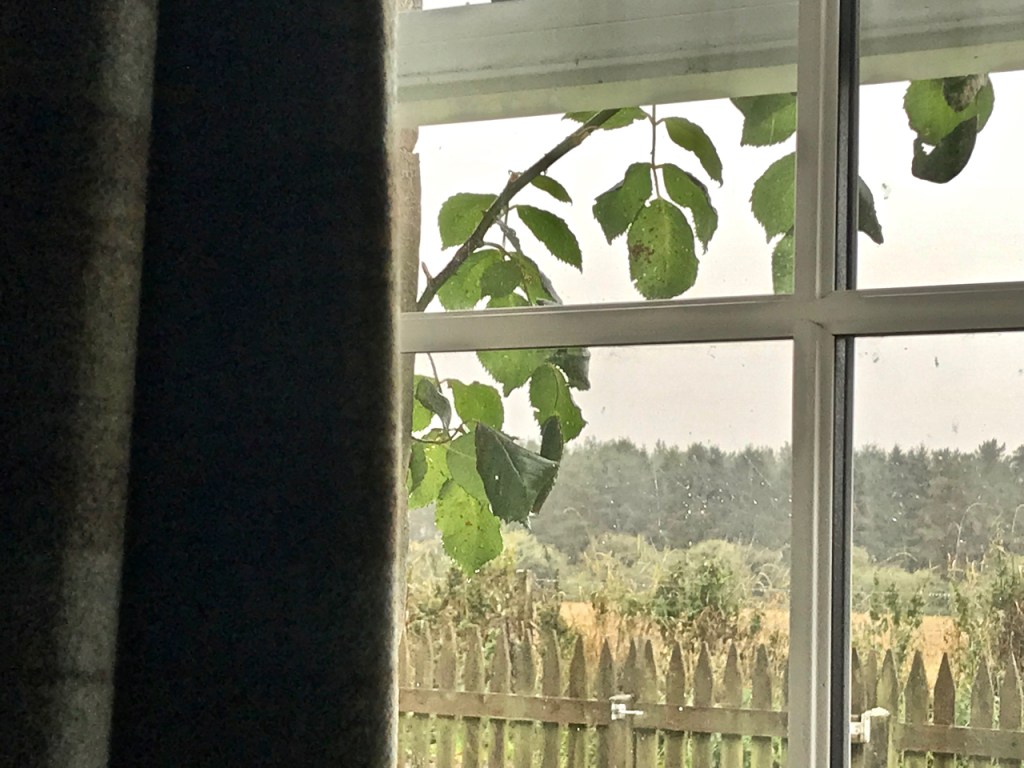
This morning there was wind and rain here on the outskirts of Perth in Scotland, but the walls of our cottage are so thick, and the beds so cosy that we barely noticed. It was only when we stepped outside that we felt the soggy impact of the day.

Here we are surrounded by farmland. It stretches away to all sides beneath damp curtains of sky, held up occasionally by oak trees. Today the land oozes water. It floods along the verges and into the dips, backing into spreading pubbles where drains are blocked by fallen leaves.

It is properly dreich. Apparently this little word originally meant “enduring, persistent”, although nowadays it seems to carry added shades of gloomy when applied to weather – weather that hangs as though it will never leave, falling on and on forever.

So what do you do on days like these?

We sat in a warm kitchen and chopped a thousand vegetables, chatting on into the afternoon, and then, dishes prepared and tables laid, we celebrated a couple with feasting and dancing, and whisky to ward off the cold.

Copyright Georgie Knaggs & The Phraser 2023