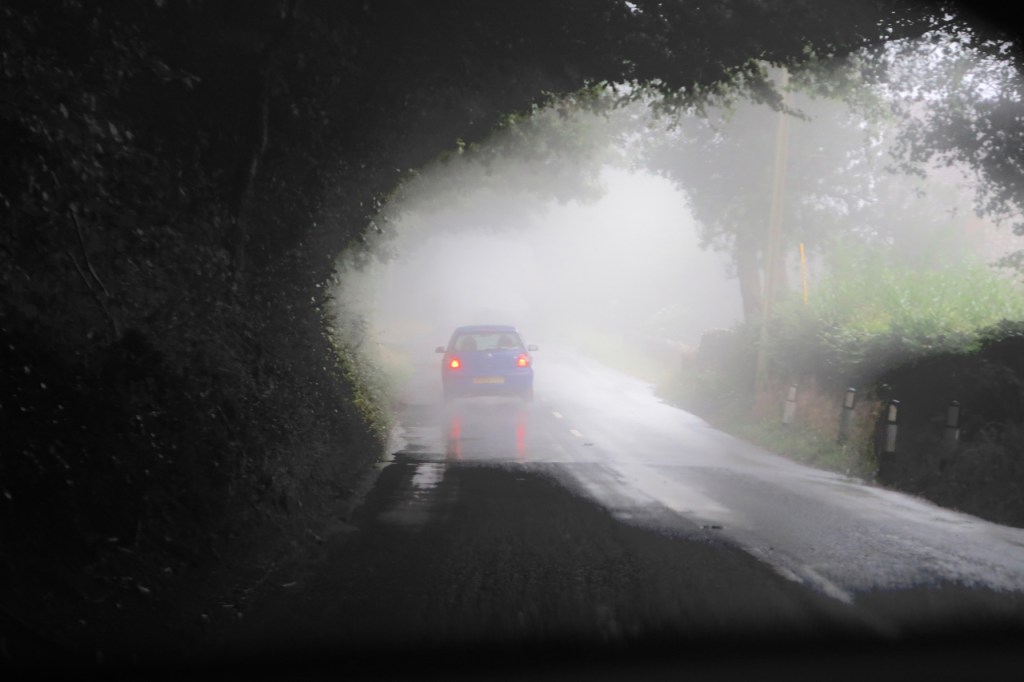
I’ve found it impossible not to notice the weather this year. Here in the south of England it’s warm – humid and still, with a wind that shakes through now and then, without bringing much rain. So far.
‘Typical Wimbledon weather’ they say cheerily on the news, but it doesn’t feel like it, and I’m sure it’s not. This is not the usual English summer of occasional sunshine peeping through sheets of drizzle. Rather this feels like Meditteranean meets the tropics. And it’s been heading that way for a few years – drier and drier.
Meanwhile all around there is news of far, far worse. Horrific storms. Landslides. Unbearable heat. Wildfires. Forbes reported on July 5th, that July 4th was “… the hottest day on Earth in as many as 125,000 years …” and the days to either side of it equally record breaking. So what do we do?
Cutting back on almost everything seems the way forward for ‘developed’ nations, and demanding support from those nations the only option for those hit by the consequences of over-indulgence and lack of due regard for consequences.
Oh … and may we pray that El Niño will be kind to us.
Dolly Parton puts it well. Hope you have time to watch this video.
Yesterday I signed as completed my own project of editing, and then posting, a daily 500 words from a draft story I wrote during lockdown. The point of the exercise was to force myself to keep working on the third draft of the not-yet-ready novel lurking on my computer.
The effort was way more than I’d bargained for, and so was my appreciation of anyone who took the time to look in – thank you!
What did I learn from the process:
huge respect for fiction authors, especially those who commit themselves to long, long periods of solo endeavour without knowing if anything tangible (ie an actual book) will ever result from the process;
double that respect for those struggling to fit such writing in with the demands of young families, or caring responsibilities, or full time jobs, or all three … or maybe just one or two;
walking away from my own writing for as long as possible is really helpful;
the terror and joy of having a reader, or even readers;
the power of a daily deadline;
the relief of finishing;
WordPress.
I cannot claim to be a WordPress expert, but the platform was straightforward and helpful. My next project is to see if I can work out how to turn the draft book into a podcast.
“Hello. Is a lady called Simidele there?” The voice of an older man cuts down the line.
“Fred?”
“Simidele?”
“Yes. Marybelle called to tell me that you’re both coming over to see your daughter.”
“Correct.”
The strength in Fred’s voice amazes Simi. He does not sound like the old man with the wavering cough, who she last saw wrapped in blankets on the lodge verandah. “You sound well.”
“I am well. We’re going to stay with my daughter in Rotherhithe. May we see you while we’re in London?”
“Of course. When?”
“Two weeks time.”
“I shall be in my shop, working on our new project.”
“Ah. A new project?”
“To raise funds for that school – the one near the lodge that got hit by the landslide.”
“Ah …” says Fred.
Simi hears hesitation, and pauses her enthusiasm. “It’s a good idea isn’t it?”
“Well … it’s a generous idea,” Fred replies.
“But?”
“But, perhaps we need to fund our own schools.”
“Yes, but surely after the cyclone …. don’t you think you need some help?”
“Of course, but we must be the helpers. Zimbabwe is rich, and we know how to build schools.”
Simi frowns. “But …I thought … I mean … things didn’t look great even before that cyclone. Now there’s all the damage?”
“I agree, but if everyone keeps fixing us, our leaders will keep robbing us. That’s the problem. Anyway, what if we came over there and started building schools?”
Simi laughs. “Are you serious?”
“Yes,” says Fred.
“But … you wouldn’t have to. We’ve got plenty. I think we can manage.”
“There you go. That’s where we need to get to.”
Simi feels her excitement flattening. “So what then? What can I do? How can I help?”
“Help one of your own schools, while thinking of us.”
“Really?”
“Yes. And, you could always give us lunch?” Simi hears the smile in Fred’s voice. “Shall we say the last Wednesday of the month? Leave plenty of time to fix the world.”
“It’s a deal,” says Simi, unable to keep the excitement out of her voice, despite the squashed plans.
“Not sure what time we’ll arrive. I’ll telephone when we get there.”
“Perfect. And you’ll meet my assistant and new designer, Lola. Kaftan Shop. You’ll find it on the internet.”
“I look forward to it. Best greetings to you both. Goodbye.”
Simi puts the mobile back in her pocket. She looks at Lola and sees that she is struggling not to laugh.
“What’s so funny?”
Lola’s reply tumbles out, each word grinning. “You. He was the soldier, right?”
“Yes.”
“Well … I could sort of hear him. Made you listen.”
“And?”
“Sounded like he didn’t want our help.”
“Well, I don’t know if he knows ….”
“Makes sense to me. He’s not going to want your charity.”
Simi feels a flash of impatience. “You didn’t see what a mess it all was out there.”
“No. But I know my old school needs help. Our library books were so ancient …”
“Huh.” With a swirl of kaftan Simi turns away from Lola’s mirth, and stands looking out through the front entrance, arms folded. She sees that it’s raining outside, and that Joe and his dog are now huddled together under the same plastic mac.
“What are you going to do with Marybelle and the soldier when they’re in London?” Lola asks.
“I have no idea,” Simi replies, quietly.
Marybelle in London – that’s going to be a whole other story.