Unknown's avatar

A few more thoughts on Barbie, the movie

I hope to watch Barbie for a second time, but have not managed to yet, however I have picked up a few thoughts from others since I saw it last.

Nobody I’ve spoken to described the film as depressing (and it is full of a barmy joy and courage) but some found it very emotional, and, if I’ve understood our discussions correctly, I think that was because of the honesty in the way the film showed the ‘perfection’ expected of women – and that some women expect of themselves – up against the ordinariness and struggle of their everyday realities.

Here are some comments from the females in my opinions sample (not large). The first comment is from a longer one posted on an earlier blog, the minimalist two that follow are the summaries of some great discussions.

“It was the first movie I’d seen since February 2020! While it’s pitched as a comedy and there are certainly some very funny moments, I thought it was a far more serious movie than what I had been led to believe. So many issues raised that are still issues for women.”

“Very emotional.”

“So good.”

The following comments are from two men who watched. I haven’t yet managed much conversation with them about it beyond: “Yeah, good.” “Powerful Kenergy.”

And finally here are a few things I’ve found out about the director.

Her full name is Greta Celeste Gerwig. She was born in 1983 in Sacramento, California where she went to an all-girls Catholic, secondary school. She has been an actress herself, before moving into writing and directing. In 2017 she wrote and directed the film Ladybird, and in 2019 Little Women. She co-wrote Barbie with her husband Noah Baumbach who is an American film director. She had her second child (her first child is now four) earlier this year, shortly before the release of Barbie.

Barbie herself is 65.

Included in this paragraph are links to two interviews with Greta Gerwig that I found interesting. The first is an Associated Press article, and the second a Huff Post article, which includes a short video.

If you have the time, and would like to add any more thoughts on the film, please do put them in the comments. I usually find them within 24 hours.

Copyright Georgie Knaggs & The Phraser 2023

Unknown's avatar

Trying to tame a wisteria

I had my head inside a wisteria today, trying to help find the source of the whipping vines creeping into the neighbour’s space. It was quite a task, and took a large chunk of the morning to find the site of each fifth bud to make the summer prune as directed by the Royal Horticultural Society.

The wisteria was not mine, but it left me wondering about the origins of this overwhelming plant. Beautifully controlled ones look amazing when they’re in flower but getting them to that state takes the skill of extreme gardeners – the marathon runners of the gardening world.

So, here are a few points that might make you pause if you’re thinking of picking up a pot of this purple beauty in its tiny days.

  • Wisteria is poisonous (only if you eat it).
  • There are Japanese, Chinese and American varieties.
  • All of them have the ability to spread their vines out far and wide.
  • The vines will climb trees and strangle them, if left unpruned.
  • The flowers are fagrant and can be purple, pink, blue or white.
  • The plants have long, hanging seed pods which, when dry, pop open spreading their seeds away from the parent plant.
  • Wisteria should be pruned twice a year – once in late summer, and again in late winter.
  • The plants grow with such vigour you can almost see them spreading.
  • The flowers are fagrant and can be purple, pink, blue or white. They look dramatic, hanging down in long clusters.
  • Not all of them flower.
  • Wisteria can last for decades, the main vine becoming as a thick as a small tree trunk … with exhausted gardeners littered around its base

If you’re looking for a challenge – a ‘real plant’ to garden – this might be it.

Copyright Georgie Knaggs & The Phraser 2023
Unknown's avatar

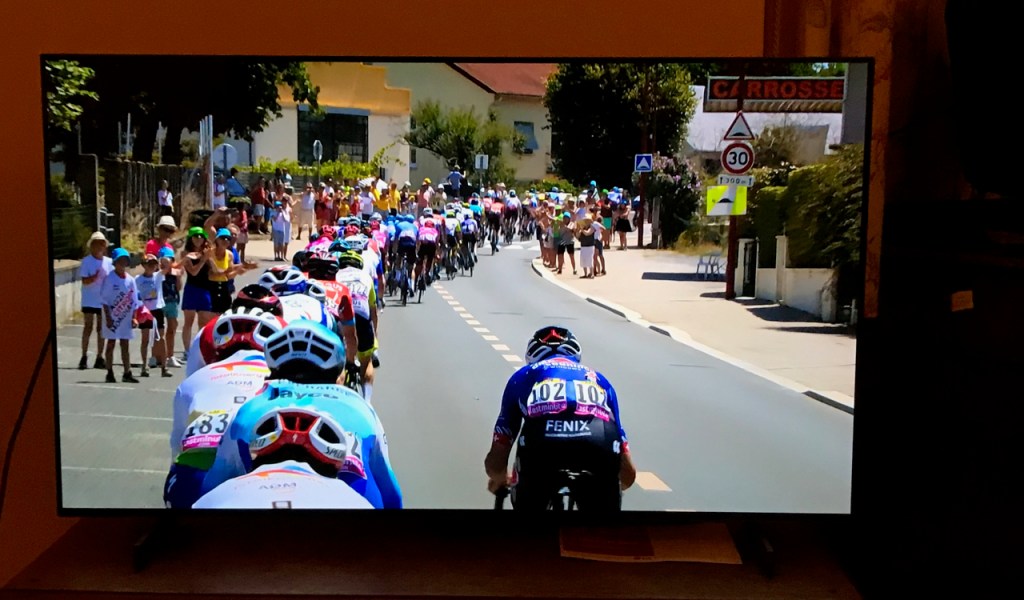
A few facts about the Tour de France

I am not a regular Tour de France fan, but I am living with someone who is. They are currently watching the Netflix series Tour de France Unchained, and I have wandered in on a couple of episodes. I had no idea how dangerous riding at that level can be.

Anyway, I have been inspired to look into the race a little more, and here are a few things I discovered.

  • The race is over 2000 miles long.
  • It lasts for around 21 days.
  • The first race was in 1903;
  • The yellow jersey was introduced in 1919 – the colour yellow was chosen as it was the colour of the newspaper that set up the race.
  • The polka dot jersey was introduced in 1975 – the polka dots represent the wrapper of the chocolate bar that first sponsored that jersey.
  • Four riders have died taking part in the Tour de France, the first in 1910.
  • There is no official entry fee for teams in the Tour de France – they just have to be able to cover their own costs.
  • The Tour de France in 2024 is due to start in Florence, Italy.

Keep cycling!

Copyright Georgie Knaggs & The Phraser 2023